



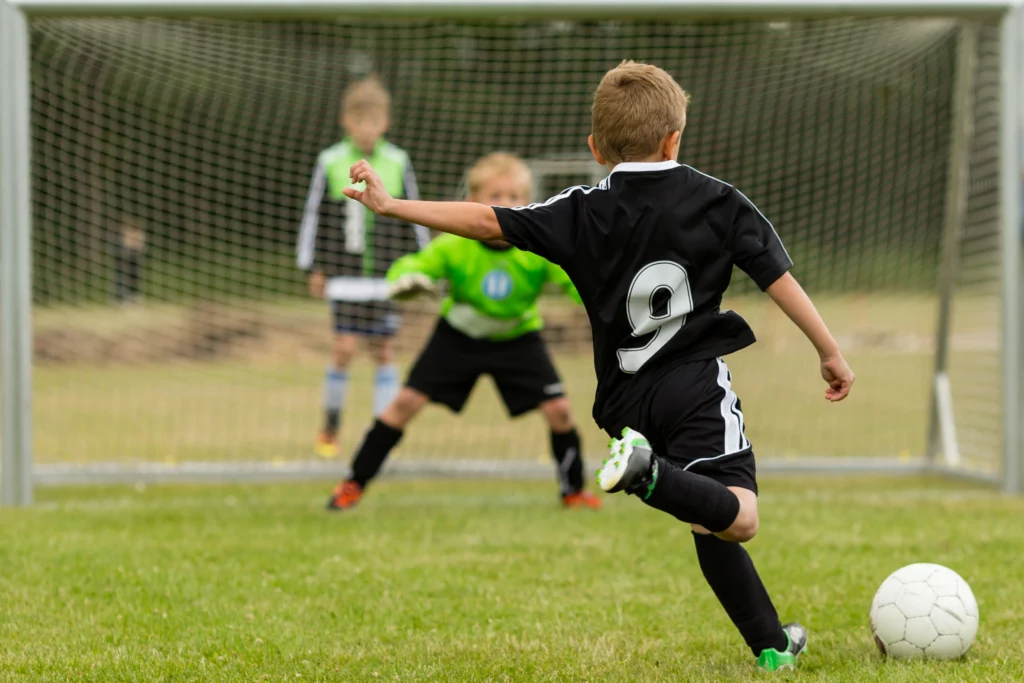
Sports help you stay active, build teamwork skills, and have fun, but they also put you at risk of dental injuries. A hard impact from a soccer ball, a hockey stick, or an accidental fall on the field can damage your smile. While some sports injuries may only affect the outer surface of the tooth, others may damage the pulp — the soft center of the tooth that contains nerves and blood vessels.
When a sports injury affects the pulp, an endodontist can help save it. Endodontics is a branch of dentistry focused on diagnosing and treating problems involving the dental pulp, tissues, and roots of teeth. With timely treatment, even a severely injured tooth could be saved rather than extracted.
Common Dental Sports Injuries
Every athlete is at risk of sports injuries, especially if they play contact sports or participate in activities involving fast-moving equipment. Common injuries include:
Cracked or Fractured Teeth — A blow to the mouth can cause a tooth to crack or break.
Chipped Teeth — After an impact, small pieces of enamel may break away.
Dislodged Teeth — An impact can cause the tooth to become loose or partially dislodged within its socket.
Knocked-Out Teeth — A sudden or severe impact can completely knock a tooth from the socket.
Root Fractures — Trauma can create a crack or fracture below the gumline or along the tooth’s root.
Pulp Injuries — Damage to the inner pulp can cause inflammation or lead to the death of pulp tissue.
Dental sports injuries are not always immediately obvious. Even if a tooth seems intact on the outside, it may still have pulp or root damage.
How Endodontists Help Save Injured Teeth
When you visit an endodontist after injuring your smile, they will focus on preserving your natural tooth, by:
1. Evaluating the Extent of the Damage
An endodontist will start by determining exactly what happened to your tooth. They may examine the tooth for cracks, mobility issues, discoloration, tenderness, and changes in sensation and use advanced 3D imaging to spot hidden damage.
A thorough evaluation helps endodontists determine whether the pulp, roots, surrounding bone, or other structures have been affected.
2. Treating an Injured or Infected Pulp
Even if a tooth doesn’t appear badly broken, a traumatic impact can damage the inner pulp of a tooth. In some cases, the pulp is only inflamed and can recover. In other situations, the damage is irreversible, causing the pulp to eventually die.
If the inside of your tooth can’t heal on its own, you may need root canal therapy. During this procedure, an endodontist removes the damaged pulp, cleans and disinfects the inside of the tooth, and fills and seals the empty space with a safe material.
This procedure eliminates damaged tissue while preserving the patient’s natural tooth structure.
3. Managing Root Fractures
Root fractures pose a particular challenge because the injury occurs beneath the visible portion of the tooth. The treatment needed will depend on the location and severity of the fracture.
Some minor root fractures can be monitored as the tooth heals, but some others may require additional treatment. An endodontist can determine whether your tooth has a reasonable chance of being preserved and recommend the most appropriate care.
4. Addressing Teeth That Have Been Displaced
If your tooth gets pushed out of its normal position during a sports game, it may need to be repositioned and stabilized. The surrounding tissues and pulp may also need to be monitored for signs of further complications.
Depending on the injury, the pulp may require later treatment. Follow-up appointments are often important because you may not notice the effects of dental trauma right away.
5. Helping Save Knocked-Out Teeth
If you get a tooth knocked out, you should seek care as soon as possible. The sooner you get treatment, the better the chance you have of saving your tooth.
If you get a permanent tooth knocked out, pick it up carefully by the crown and avoid touching the root. Gently rinse it with water (don’t scrub it). If possible, place it safely back in the socket to help preserve the surrounding tissues. If you can’t put it back in your mouth, keep it moist and bring it to a dentist or endodontist as quickly as possible.
An endodontist will stabilize the tooth in the socket and perform root canal therapy, if needed.
Preventing Sports-Related Dental Injuries
While you can’t always prevent sports injuries, you can take steps to reduce your risk. One of the most important things you can do is wear a properly fitted mouthguard, especially during sports and activities where facial impacts happen often.
You should replace your mouthguard when it becomes worn or damaged, and follow the safety recommendations for your particular sport.

Protect Your Smile and Your Natural Teeth
A sports injury doesn’t have to permanently impact your smile. Modern endodontists can often preserve teeth that have experienced significant trauma, whether it’s a damaged pulp, displacement, or fractures. The key is to get the right evaluation and treatment as soon as possible.
With prompt attention and appropriate care, you can save your natural tooth.
