



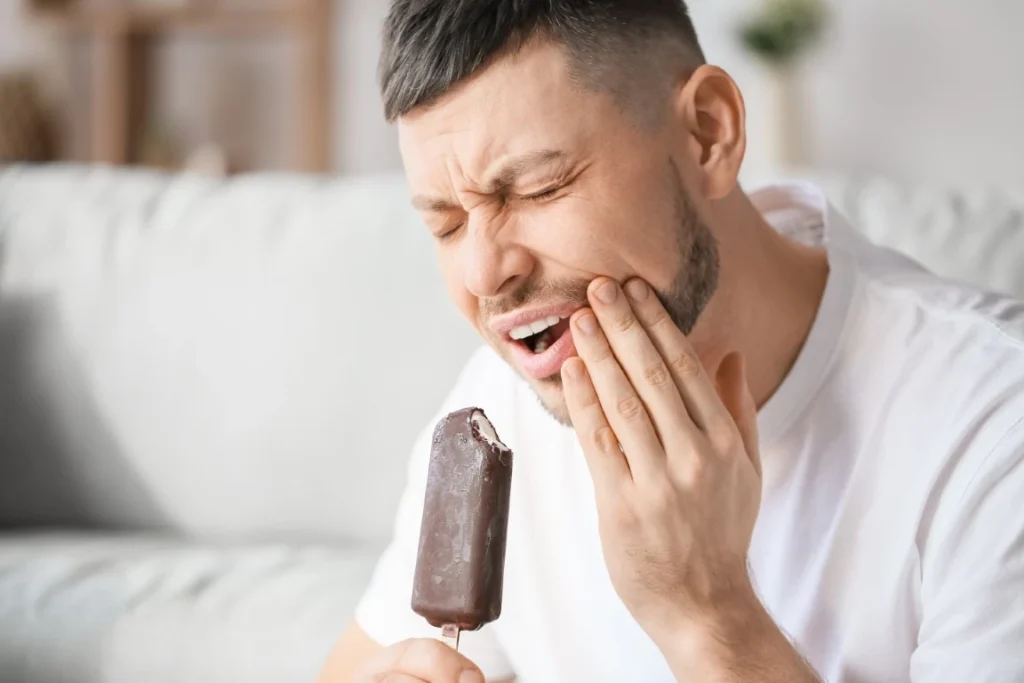
Summer is filled with vacations, outdoor activities, sports, and family gatherings. While these warm-weather activities can be a lot of fun, they also increase the risk of dental emergencies. From sports injuries to unexpected toothaches, dental problems can quickly interrupt your summer plans.
Today, we’ll discuss the most common summer dental emergencies, so you can protect your smile all season long.
Common Summer Dental Emergencies
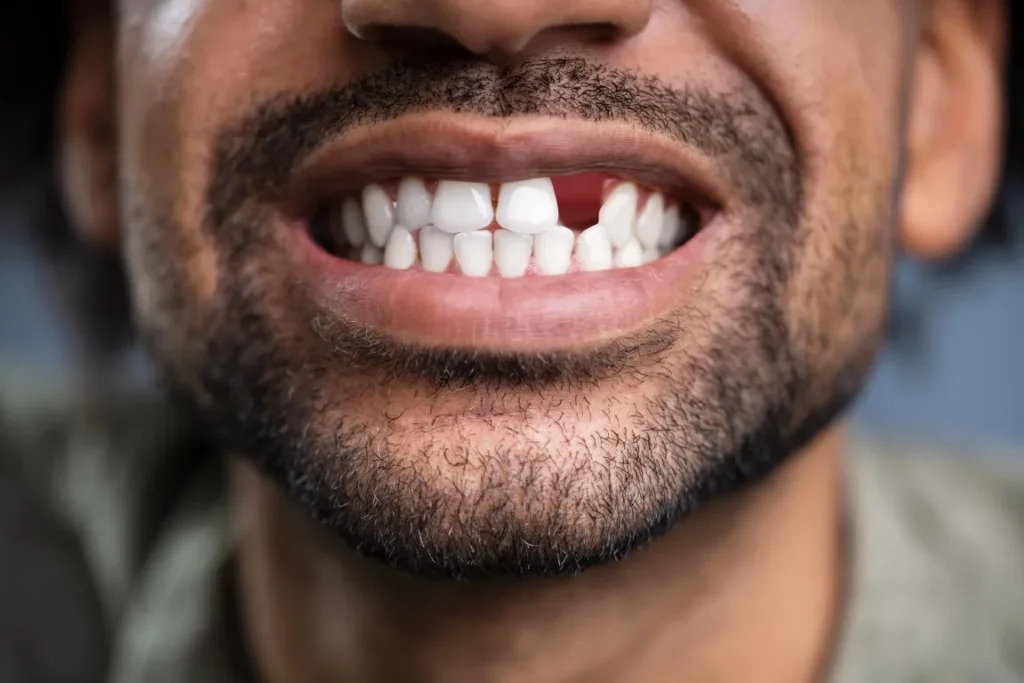
Chipped or Broken Teeth
Summer activities often involve swimming, biking, hiking, and recreational sports. Accidents or falls can lead to chipped, cracked, or broken teeth. Additionally, some people use their teeth to open bottles, tear packaging, or chew ice, habits that can increase during the summer and cause significant tooth damage.
If you break your tooth, you should rinse your mouth with warm water, save any tooth fragments if possible, apply a cold compress to reduce swelling, and contact your dentist as soon as possible for evaluation and treatment.
Knocked-Out Teeth
A knocked-out tooth is one of the most serious dental emergencies. It is often caused by a sports-related injury, bicycle accident, or fall. If you lose a tooth:
- Pick it up by the crown (top), not the root
- Gently rinse it, if it’s dirty (but don’t scrub it)
- Try to place the tooth back into its socket
- If reinsertion isn’t possible, store it in milk or saliva
- Seek immediate dental care. Prompt treatment greatly improves the chances of saving the tooth.
Toothaches
Summer typically brings changes in routine, an increased consumption of sugary treats (such as ice cream, shaved ice, and popsicles), and delayed dental visits, all of which can contribute to tooth pain during the summer months. Toothaches may be a symptom of cavities, infections, cracked teeth, or gum disease.
If you have a toothache, rinse your mouth with warm saltwater, gently floss around the area to remove trapped debris, avoid placing aspirin directly on the gums, and schedule a dental appointment promptly to determine the cause.

Lost Fillings or Crowns
Sticky summer treats, such as caramel, taffy, and chewing gum, can sometimes loosen fillings or crowns. Age and normal wear can also dislodge restorations.
If this happens, keep the crown or filling if you can find it, avoid chewing on the affected side, and contact your dentist for a repair or replacement.
Soft Tissue Injuries
Cuts or injuries to the lips, cheeks, tongue, or gums are common during outdoor activities and sports. If you have a soft tissue injury, rinse your mouth with warm water, apply gentle pressure with clean gauze to control any bleeding, and use a cold compress to reduce swelling.
You should seek professional care if you experience severe bleeding or bleeding that doesn’t stop.
How to Prevent Summer Dental Emergencies
Wear a Mouthguard — Whether you’re playing an organized sport or enjoying recreational activities with your friends, wearing a properly fitted mouthguard gives you valuable protection against dental injuries.
Stay Hydrated — Drinking plenty of water can help maintain saliva production, which naturally protects teeth from harmful bacteria and acids.
Maintain a Proper Oral Hygiene Routine — Vacations and summer fun can disrupt your daily routine. Making sure to brush twice a day and flossing daily can help you prevent cavities and gum problems.
Limit Sugary and Acidic Beverages — Choose water whenever possible and reduce your consumption of sugary drinks that can contribute to tooth decay.
Avoid Chewing Hard Objects — Ice, popcorn kernels, hard candies, and non-food items can crack or damage teeth. Protect your smile by avoiding these common hazards.
Schedule Preventive Dental Visits — A routine dental exam before summer travel can help you identify potential issues before they become emergencies or costly treatments later on.
Review Insurance — Make sure you know what your traveler’s insurance covers, and research local emergency dental clinics in your destination area ahead of time.
When to Seek Emergency Dental Care
Contact your dentist immediately if you knock out or break your tooth or experience severe tooth pain, significant swelling, excessive bleeding, or signs of infection, such as fever or facial swelling.
Prompt treatment can often save your tooth, reduce discomfort, and prevent complications.
Enjoy a Safe and Healthy Summer Smile
The season should be spent making memories — not dealing with summer dental emergencies. By remembering to practice good oral hygiene, wearing protective gear during sports, and making smart choices about what you eat or drink, you can significantly reduce your risk of dental injuries and unexpected dental problems.
If a dental emergency does occur, seeking professional care quickly can make all the difference in protecting your oral health and preserving your smile.


