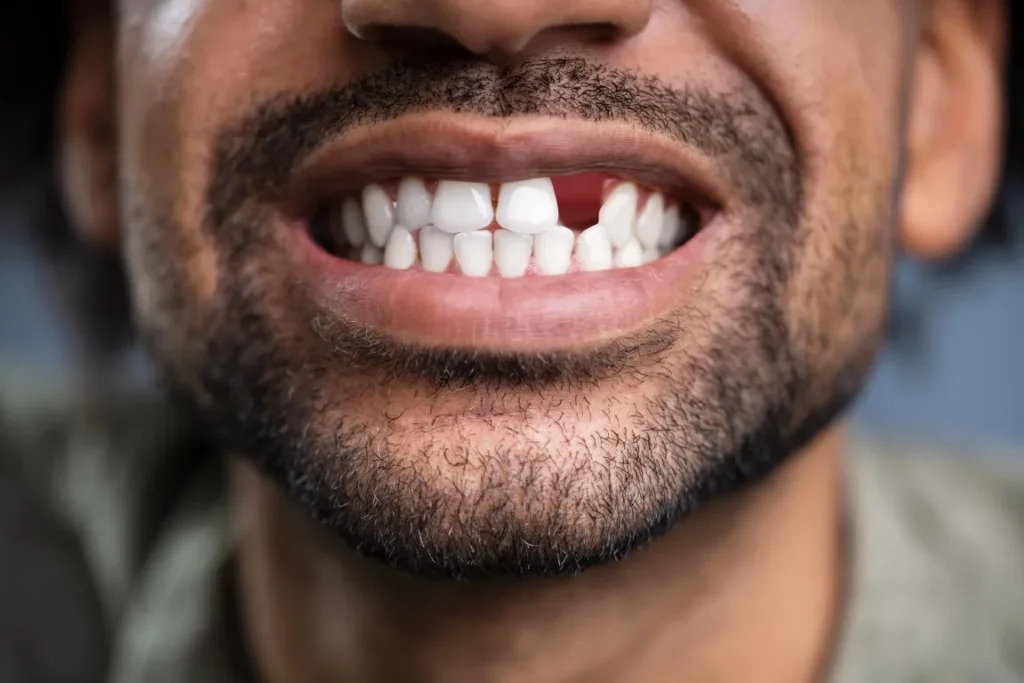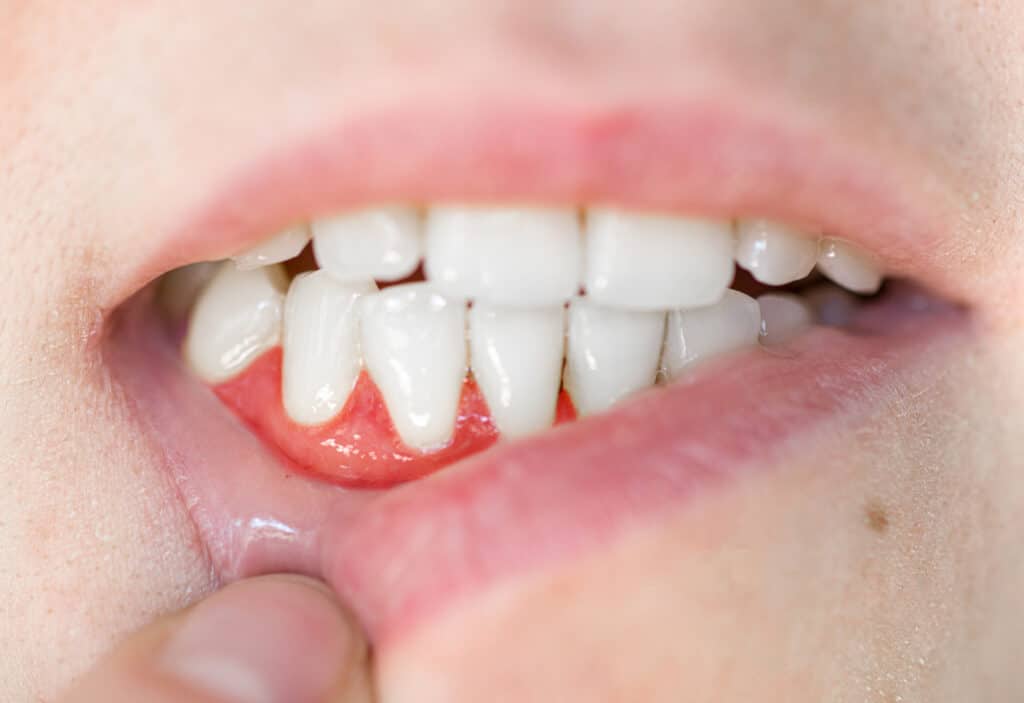

Tooth pain is one of the most common reasons people seek dental care. However, many people delay treatment in hopes that the discomfort will go away on its own. While some minor tooth sensitivity may not require an emergency dental visit, persistent or severe oral pain often indicates that something is wrong and could use professional attention.
Below, we will discuss when you should seek treatment, so you can prevent more serious dental problems and protect your long-term oral health.
Oral Pain Is Your Body’s Warning Signal
Pain is your body’s way of alerting you that something needs attention. Oral pain can result from a variety of issues, such as:
- Tooth decay (cavities)
- Cracked or broken teeth
- Gum disease
- Dental abscesses or infections
- Damaged fillings or crowns
- Teeth grinding (bruxism)
- Impacted wisdom teeth
- Sinus pressure
- TMJ disorders
Ignoring discomfort or pain may allow the underlying condition to worsen, potentially leading to more extensive and costly treatments later.
When Should You See a Dentist?
In general, any tooth pain that lasts longer than one or two days should be evaluated by a dentist. Even if the discomfort seems mild, you could have something growing worse beneath the surface.
Schedule an appointment as soon as possible if you experience persistent toothaches, sensitivity to hot or cold, pain when chewing or biting, swollen or bleeding gums, or recurring pain that comes and goes. You should also schedule a visit if you chip or crack your tooth.
Prompt treatment allows you to address the problem before it becomes worse.
Signs of a Dental Emergency
Some types of oral pain need immediate dental care. Contact your dentist right away if you experience:
Severe or Throbbing Pain — Intense oral pain may indicate a deep infection, advanced decay, or nerve involvement. These conditions typically don’t improve without treatment.
Facial Swelling — Swelling in the gums, jaw, or face can be a sign of a dental abscess or infection. Dental infections can spread to other areas of the body and compromise your immune system if left untreated.
Fever Along With Tooth Pain — A fever combined with oral pain often suggests an infection that needs urgent attention.
Knocked-Out or Broken Tooth — Prompt treatment significantly improves the chances of saving a damaged or displaced tooth.
Pus or Bad-Tasting Drainage — These symptoms often indicate an abscess, which requires immediate professional care.
If you experience a really high fever, rapid swelling of your face or neck, difficulty breathing, or trouble swallowing, you should call 911 or head to the nearest emergency room.

What Happens If You Wait Too Long?
Delaying treatment allows minor dental problems to become major ones. For example:
- A small cavity may grow into a large cavity requiring a crown
- Untreated decay may reach the tooth’s pulp, requiring root canal therapy
- Gum disease can progress and lead to bone and tooth loss
- Dental infections can spread and affect overall health
Early intervention is simpler, less invasive, and less expensive than treating advanced dental problems.
What Can You Do Until Your Appointment?
While waiting to see your dentist, you can manage discomfort by rinsing your mouth with warm salt water, gently flossing around the affected tooth, taking over-the-counter pain relievers, and applying a cold compress to reduce swelling. Avoiding extremely hot, cold, and sugary foods may also help reduce pain.
However, these measures will typically only provide temporary relief and should not replace professional dental care.
Oral Pain and Overall Health
Many people may not know that oral health and overall health are closely connected. An untreated dental infection doesn’t always stay confined to the tooth. Research has shown that poor oral health can lead to heart disease, diabetes complications, respiratory infections, and pregnancy complications.
While not every tooth indicates a serious infection, persistent oral pain should never be ignored. Seeking timely care protects both your oral health and your general well-being.
Preventing Future Pain
While you can’t avoid all dental problems, you can reduce your risk of tooth pain by brushing twice a day and flossing once a day, limiting sugary snacks and drinks, wearing a mouthguard if you grind your teeth, and visiting your dentist regularly.

Don’t Ignore Oral Pain
Oral pain rarely resolves on its own. Whether the discomfort is mild or severe, seeking prompt dental treatment can help you identify the underlying cause and prevent complications. The sooner a dentist can evaluate the problem, the more treatment options may be available and the better the outcome for your oral health.
If you’re experiencing oral pain, don’t wait for it to get bad enough that you can’t ignore it anymore. Schedule an appointment to protect your smile and find lasting relief.