




With the holiday season comes family gatherings, celebrations, traveling, gift shopping, and packed schedules. While this time of year brings a lot of joy, it can also cause a lot of stress. For some individuals, this holiday stress can show up in an unexpected way: teeth grinding and jaw clenching.
This habit, known as bruxism, can happen during the day or while you sleep. If it occurs too frequently, it can put excessive pressure on your teeth and jaw, potentially leading to discomfort and dental damage.
Why Does Holiday Stress Cause Teeth Grinding?
Stress and anxiety are common triggers for teeth grinding. During the holidays, you often face changes to your normal routine, financial concerns, travel commitments, family obligations, and sleep disruptions, all of which can elevate your stress levels.
When you’re stressed, you may unconsciously clench your jaw or grind your teeth. This can happen while you’re awake or while you’re asleep — often without you realizing it. Individuals often only become aware when dentists spot the signs during a routine examination or a significant other hears the sounds of grinding during the night.
Signs You May Be Grinding Your Teeth
You may not notice you’re grinding your teeth right away. However, there are some warning signs to watch out for:
- Jaw soreness and stiffness
- Frequent headaches, especially in the morning
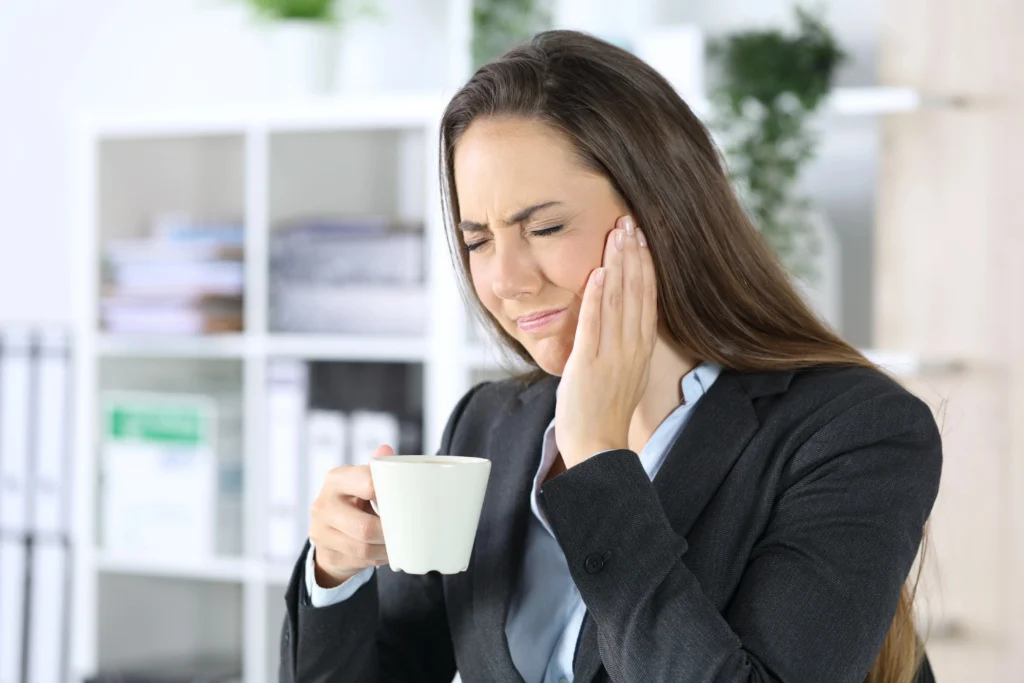
- Facial or ear pain
- Tooth sensitivity
- Worn, flattened, or chipped teeth
- Increased tooth fractures
- Pain when chewing
- Tightness in the jaw
- Clicking or discomfort when opening your mouth
If you regularly wake up with a sore jaw or headache, you could be suffering from nighttime teeth grinding.

How Can Teeth Grinding Affect Your Teeth?
Occasional clenching may not cause significant issues, but frequent or forceful grinding can gradually damage your teeth. Excessive pressure can wear down enamel and make teeth more vulnerable to sensitivity, cracks, chips, nerve or pulp damage, and other issues. In extreme circumstances, it can cause gum recession, tooth loss, and even overall bone loss.
Over time, untreated teeth grinding may become a recurring dental concern rather than a temporary response to holiday stress.
Tips for Reducing Holiday-Related Teeth Grinding
Managing holiday stress may help reduce clenching and grinding. Consider practicing these simple strategies:
Get Enough Sleep — Maintaining a consistent sleep schedule and getting adequate rest can help your body manage stress. Try to go to bed at the same time every night even when your holiday calendar fills up.
Take Breaks — Give yourself time to step away from shopping, work, events, celebrations, and other responsibilities. Short breaks for relaxation and self-care can help reduce overall tension.
Watch Your Caffiene Intake — Consuming large amounts of caffeine, particularly later in the day, may interfere with your sleep schedule and make it harder to relax. Consider limiting caffeine if you notice that you’re clenching or grinding more frequently.
Pay Attention to Jaw Clenching — During the day, check in with yourself periodically. If your teeth are touching when you’re not eating or speaking, consciously relax your jaw and keep your teeth slightly apart.
Practice Stress-Management Techniques — Practicing deep breathing techniques, exercising, stretching, meditating, or doing other relaxing activities can help you manage holiday stress and reduce muscle tension.
If your jaw feels tight in the evening, gently massage it in a circular motion and apply a warm washcloth to release tension before bed.
Can a Dentist Help with Teeth Grinding?
A dentist can examine your teeth and jaw for signs of bruxism and recommend an appropriate treatment based on your symptoms.
In some cases, they may recommend a custom nightguard to help protect your teeth from the effects of nighttime grinding. If stress is contributing to your bruxism, a dentist may also recommend strategies for reducing tension and protecting your oral health.
You should get professional help with your grinding if you notice significant tooth wear, persistent jaw pain, morning headaches, or worsening sensitivity. This often indicates that your condition has progressed beyond self-management.
Don’t Let Holiday Stress Damage Your Smile
During the holidays, you should be able to spend time with family and friends and enjoy seasonal traditions without worrying about dental damage caused by stress. Paying attention to signs of teeth grinding and taking steps to manage stress can help you protect your teeth and jaw throughout the season.
If you notice jaw pain, headaches, tooth sensitivity, worn teeth, or other signs of grinding, schedule an appointment with your dentist. Addressing bruxism early can prevent more significant problems and keep your family healthy long after the holidays are over.


