Call Us Today!

(801) 618-1197
David G. Johnson D.D.S. - Facebook David G. Johnson D.D.S. - Instagram David G. Johnson D.D.S. - Twitter David G. Johnson D.D.S. - LinkedIn David G. Johnson D.D.S. - Pintrest
Request an Appointment
David G. Johnson DDS, DC Logo Layton, Centerville, UT

David G. Johnson, D.D.S.

  • Root Canal
  • Procedures
    • Root Canal
    • Endodontic Retreatment
    • Apicoectomy
    • Cracked Teeth
    • Traumatic Teeth Injuries
    • Resorption Repair
    • 3D Imaging (CBCT)
  • Patient Resources
    • Patient Forms
    • Pay Online
    • Informational Informed Consent Oral Sedation Form
    • Insurance and Financial Policy
    • What is Endodontics?
    • General Instructions
  • Our Practice
    • Dr. David Johnson
    • Our Team
    • Testimonials
    • Blog
  • Contact Us
    • Layton Contact Us
    • Centerville Contact Us
  • Referring Doctors
    • Referral Form

From Sugar to Grinding: The Biggest Threats to Your Tooth Enamel

Home | Endodontist | Page 2

The Biggest Threats to Your Tooth Enamel

Tooth enamel may be the hardest substance in the human body, but it’s not indestructible. Every day foods, drinks, and habits can wear it down over time. And once the enamel erodes, the softer dentin and even the tooth’s nerve can become exposed, leading to sensitivity, pain, and in serious cases, infections requiring root canal treatment. 

Here’s what to watch out for and how to protect your smile. 

Why Enamel Matters

Enamel acts like armor for your teeth, protecting them from bacteria, acids, temperature changes, and damage from chewing, biting, and grinding. It also gives teeth their white, shiny, and healthy appearance. However, unlike bone, enamel cannot regenerate. When it wears away, the tooth becomes more vulnerable to decay, cavities, chips, cracks, and nerve irritation. 

Foods That Damage Tooth Enamel

Sugary Snacks and Drinks 

Candy, baked goods, soda, and energy drinks feed oral bacteria. These bacteria produce acid that erodes enamel and increases your risk of cavities that can eventually reach the nerve. 

Tip — If you indulge, rinse with water afterward and avoid frequently snacking on sugar all day.

Acidic Fruits and Juices 

Citrus fruits (like oranges, lemons, and grapefruits), tomatoes, wine, and fruit juices can soften enamel. Over time, frequent exposure to acid wears down the surface. 

Tip — Drink juices through a straw and pair acidic foods with meals rather than eating them alone.

Sports Drinks

They may seem healthy, but most sports drinks combine high sugar with acidic pH, which presents a double threat to enamel.

Tip — Choose water instead of a sports drink whenever possible. 

Starchy Foods

Chips, crackers, white bread, and pasta break down into sugar and can get stuck in the crevices of your teeth, causing prolonged acid production. 

Tip — Balance starches with protein and fiber, and brush well to remove residue. 

Habits That Damage Tooth Enamel

David G. Johnson DDS, DC Root Canal Layton, Centerville, UT

Grinding and Clenching (Bruxism)

Whether due to stress or sleep issues, grinding your teeth and clenching your jaw can place excessive pressure on enamel and can flatten, crack, or chip teeth. It can also irritate the nerve, causing sensitivity or pain.

Fix — Practice relaxation techniques, improve sleep habits, address your posture, and ask your dentist about a custom nightguard.

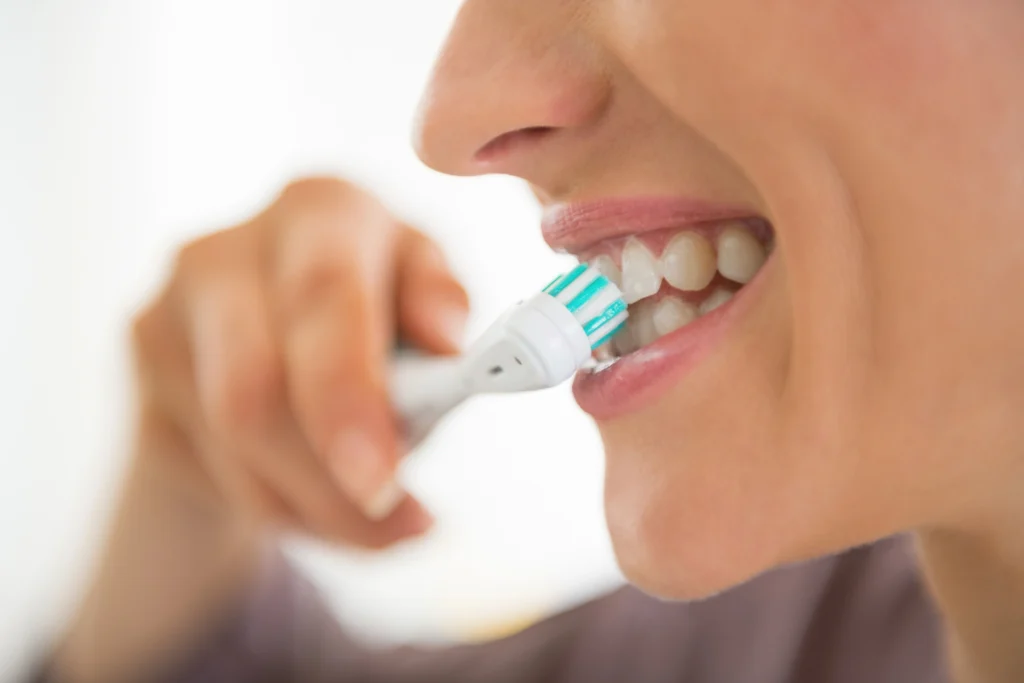
Overbrushing or Using a Hard-Bristle Toothbrush

Brushing too hard, using a hard-bristle toothbrush, and choosing an abrasive toothpaste can wear tooth enamel down, especially near the gumline. 

Fix — Use a soft-bristle toothbrush, smooth toothpaste, and gentle circular motions when brushing.

Chewing Ice 

Ice may seem harmless, but its hardness can crack enamel and damage fillings. Cracks allow bacteria to reach the inner layers of the tooth, potentially irritating the nerve. 

Fix — Avoid chewing on ice in your drinks. 

Frequent Snacking

Constant snacking, especially on carbs or sugary foods, keeps your mouth in a consistent acidic state, preventing tooth enamel from remineralizing. 

Fix — Stick to planned meals and choose tooth-friendly snacks like nuts, cheese, or raw vegetables. 

Using Teeth as Tools

Opening packages with your teeth or biting your nails may seem quick, convenient, and stress-relieving, but you risk creating fractures that expose the inner pulp of the tooth. 

Fix — Keep scissors or nail clippers handy instead of relying on your teeth. 

Other Factors 

In addition to certain foods and habits, some medical conditions can contribute to enamel wear:

Acid Reflux (GERD) and Vomiting — Stomach acid makes direct contact with your teeth and starts to erode the enamel. 

Dry Mouth — A lack of saliva allows acids and bacteria to attack enamel more easily. 

Certain Medications —  Antihistamines, antidepressants, aspirin, and high blood pressure meds can cause dry mouth and erode enamel. 

Signs Your Enamel May Be Wearing Down

Watch For:

  • Increased tooth sensitivity
  • Sharp pain when eating hot, cold, or sweet foods
  • Yellowing teeth (dentin showing through)
  • Chips or cracks
  • Rough or uneven edges


If you ignore these symptoms, bacteria can reach the pulp of the tooth, leading to inflammation, infection, and the possibility of root canal therapy. 

How to Protect Tooth Enamel

To keep your tooth enamel strong, you should:

David G. Johnson DDS, DC Cracked Tooth Layton, Centerville, UT
  • Brush twice daily with fluoride toothpaste
  • Floss every day
  • Drink plenty of water, especially after acidic meals or snacks
  • Avoid brushing immediately after eating acidic foods
  • Visit the dentist every six months for cleanings and early detection
  • Wear a mouthguard at night if you grind your teeth

Protect Your Enamel to Avoid Cavities and Root Canals 

Your daily habits and food choices play a huge role in protecting your tooth enamel and preventing nerve problems. By being mindful of what you eat and how you care for your teeth and attending regular dental checkups, you can catch problems early and keep your smile strong, healthy, and pain-free for years to come. 
Filed Under: Endodontist

A Tooth Extraction - Layton, Centerville, UT

When you’re dealing with severe tooth pain or infection, your dentist may recommend either a root canal or a tooth extraction. Both procedures aim to relieve pain and prevent further damage, but they differ significantly in approach and long-term effects. Some people may think a tooth extraction is best, as it means you can avoid future problems with the tooth.

Others may want to do everything in their power to preserve their natural teeth and avoid dental prosthetics. Choosing between the two isn’t always simple; factors like the extent of decay, cost, and your overall oral health all play a role. Understanding the differences and benefits of each treatment can help you make the best decision for your smile and long-term dental wellness.

Why You May Need a Root Canal

A root canal is typically needed when the inner pulp of your tooth becomes infected or inflamed. This can occur due to deep decay, repeated dental procedures, cracks, chips, or tooth injury. When bacteria reach the pulp, you might experience severe tooth pain, prolonged sensitivity to hot or cold, swollen gums, or darkening of the tooth. 

If left untreated, the infection can spread and lead to an abscess, causing even more discomfort and potential bone loss. A root canal removes the infected tissue, cleans the canal, and seals the tooth to prevent further issues, allowing you to keep your natural tooth and restore normal function without the need for extraction.

A Tooth Extraction - Layton, Centerville, UT

What is a Tooth Extraction? 

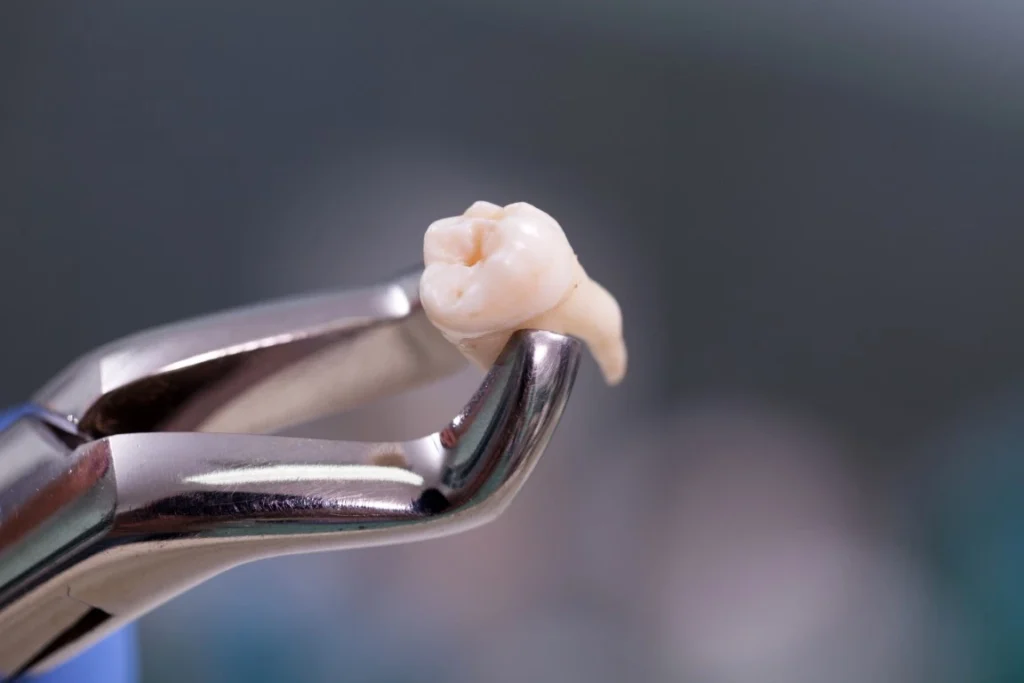
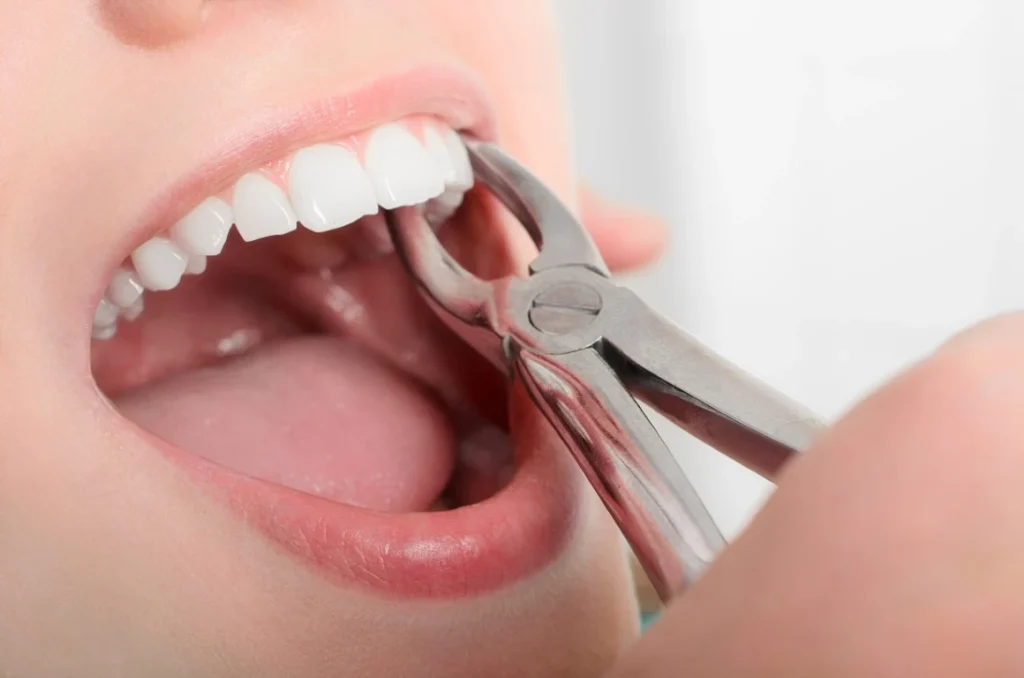
A tooth extraction is a dental procedure where a tooth is completely removed from its socket in the jawbone. While it may sound intimidating, extractions are a common procedure often performed to prevent further pain or infection. Dentists typically perform them when a tooth is too damaged or decayed to be saved through other treatments. 

The procedure is quick and done under local anesthesia so you won’t feel pain during the removal. Afterward, your dentist will provide instructions to help your mouth heal comfortably and safely. Whether caused by severe decay, gum disease, or crowding, a tooth extraction is sometimes the best way to protect your overall oral health.

Should You Get an Extraction Instead of a Root Canal? 

Whether a tooth extraction or a root canal is better for your tooth will vary depending on the extent of the decay and damage to your tooth. Your endodontic team will always do everything in their power to protect you from tooth loss. However, even with the most comprehensive care, some teeth may be too damaged to recover.

If your endodontic team is recommending a tooth extraction, it is often because this is the best way to preserve the health of the surrounding teeth, tissue, and underlying bone structure. Putting off this care may do far more harm than you realize, which is why it’s essential to schedule the extraction as soon as possible.

While it can be distressing to lose your natural tooth, it is important that you follow the advice of your endodontic team. With so many reliable tooth replacement options available, like dental bridges, dentures, and implants, you don’t have to worry about your teeth shifting, changes to the appearance of your smile, or major bite changes. 

Traumatic Dental Injuries - David G. Johnson, DDS. Layton, Centerville

When is a Tooth Extraction a Better Choice?

There are a few situations in which your dental team will determine that a tooth extraction is a better treatment option than a root canal. Some of the most common reasons why your endodontist may recommend tooth extraction over a root canal include: 

  • Deep Cracks: Cracks in your tooth can often be remedied by your endodontic team. However, if these cracks stretch deep beneath the gum line and under the gums, extraction may be your only option to avoid repeat problems. 
  • Repeat Root Canals: If you’ve undergone multiple root canals and are still experiencing problems with the tooth, your endodontic team may determine that a tooth extraction is the only option to eliminate lingering infection. 
  • Extensive Decay: As the decay in your tooth wreaks havoc on the tooth, it can significantly weaken the structure. If the decay cannot be adequately remedied, even after a root canal, extraction is your best choice. 

Tips for Saving Your Natural Tooth

While you may not always be able to avoid a tooth extraction, there are several things you can do to increase your chance of preserving the structure. If you have recently experienced dental trauma or are recovering from a root canal and want to protect the tooth from further damage, incorporate the following into your routine:

  • Maintain an Excellent Oral Hygiene Routine: It is crucial to continue your oral hygiene routine, including brushing twice daily and flossing at least once a day. Be extra gentle around the affected tooth, as applying excessive force can increase irritation. 
  • Discontinue Nicotine Use: Nicotine products are known for slowing down your body’s natural healing ability. Following an injury or root canal, it is best to discontinue the use of these products to ensure your tooth and the supporting tissue can heal quickly. 
  • Avoid Using Teeth as Tools: Using your teeth as tools can increase your chances of damaging them. While it might be tempting to use them to open tough packages or to hold onto small objects, it is best to avoid this when possible.
  • Attend Follow-Up Appointments: If your endodontic team schedules follow-up appointments, it is essential that you attend them. While you might feel fine, they can catch the most minute signs of problems before they become more significant. 
A Tooth Extraction - Layton, Centerville, UT

Protect Your Teeth with Help From David G. Johnson, DDS

Ultimately, to do everything in your power to protect your teeth, it’s essential to choose a reliable endodontic team. If you’re looking for an endodontic team in Layton or Centerville, turn to our team at David G. Johnson, DDS, for support. For decades, we’ve provided comprehensive endodontic care to patients across Northern Utah. Whether you need a root canal or are trying to avoid a tooth extraction, we’ve got your back through every step of your care.

If you would like to learn more about our services, don’t hesitate to contact us today. 

Filed Under: Endodontist

Avoid a Root Canal - Layton, Centerville, UT

A root canal is an incredibly reliable way to address infected tissue within your tooth. While this care is an incredibly important part of dental restoration, you want to do everything in your power to avoid these appointments. This dental care is often preceded by persistent pain, tender gums, and discomfort while eating or drinking. 

However, with proper dental care, you can easily avoid a root canal and ensure the long-term strength and health of your smile. In this blog, we’ll discuss several steps you can take to ensure you’re properly caring for your smile so you can avoid a root canal and the pre-appointment discomfort associated with this care.

Great Ways to Avoid a Root Canal

1. Brush Twice Daily

The easiest way to avoid a root canal is by brushing your teeth twice a day. However, it isn’t just about picking up your toothbrush. You want to ensure you’re properly brushing. Failing to brush every surface of your tooth or rushing through the process may result in inadequate cleaning. When brushing, you should brush for at least two minutes. 

Make sure that you are brushing the fronts, backs, and chewing surfaces of your teeth. You should also clean your tongue while brushing to address any harmful bacteria that may be present. Finally, avoid eating or drinking after brushing at the end of the night, as this may allow bacteria to run rampant while you sleep and increase your risk of decay or infection. 

Avoid a root canal in Layton, Utah, Centerville, Utah

2. Don’t Forget to Floss

In addition to brushing, you don’t want to skip out on flossing if you want to avoid a root canal. Flossing is an integral, but often overlooked, part of the dental hygiene routine. An estimated 20% of American adults state that they don’t ever floss. However, by foregoing this essential step in your oral hygiene routine, you allow bacteria to multiply, putting your oral health at risk. 

If you want to avoid a root canal, it is essential that you floss at least once a day. While you floss, you remove tough food particles and bacteria from between your teeth. Without care, this food and bacteria may lead to cavities, which, if left untreated, can spiral into far more severe oral infections that require endodontic treatment to remedy. 

3. Drink Plenty of Water

You’ve likely heard it from every health professional in your life, but drinking plenty of water is also a great way to help you avoid a root canal. Water is an essential tool in removing harmful bacteria and lingering food particles or sugars after a meal. When you drink water periodically throughout the day, you help rinse this bacteria off your teeth.

Additionally, drinking water is great for ensuring adequate saliva production. Your saliva contains the enzyme lysozyme, which is responsible for preventing bacterial growth in your mouth. By drinking plenty of water, you guarantee sufficient saliva production, which aids in rinsing away food particles and protecting against the most harmful oral bacteria. 

4. Avoid Acidic, Sticky, or Hard Foods

While you may love sipping on juices, snacking on candies, or chewing on ice, all of these foods pose a significant risk to your oral health. Acids can break down your enamel, leading to an increased risk of cavity development. Hard or sticky foods can lead to accidental cracks or chips, increasing your risk of further damage or infections.

If you want to avoid a root canal and protect your smile, it is best that you limit your exposure to these foods. While occasional consumption is fine, regularly eating acidic, sticky, or hard foods greatly compromises your oral health and should be avoided to protect your teeth from easily avoidable damage. 

Failed Root Canal - Layton, Centerville, Utah

5. Address Tooth Pain Immediately

If you’ve dealt with severe tooth pain in the past with no clear sign of why you’re dealing with it, you may find yourself ignoring these symptoms and continuing with business as normal. However, choosing to ignore lingering tooth pain can have severe consequences, including worsening of the root cause of your problems and more extreme symptoms. 

To avoid a root canal and more complex oral health complications, it is important that you schedule a visit with your trusted dental team as soon as possible. Even the most minor discomfort may be a sign that you have a cavity. If this goes untreated, the infection can progress into the interior of your tooth, leading to the need for a root canal. 

6. Schedule Regular Dental Checkups

The final way to avoid a root canal is by scheduling regular dental checkups with a trusted dental team. During your twice-yearly checkups, your dentist, dental hygienists, and assistants will take X-rays and assess your current oral health to determine whether you’re experiencing any complications, like early cavity development or gum disease. 

If they spot any signs of oral health complications, they can be addressed immediately. Additionally, if they are past the point of basic care, your dental team may direct you to an endodontic team, who can provide you with essential support and make the treatment process as simple and straightforward as possible. 

Multiple root canals in Centerville, Utah

Turn to David G. Johnson, DDS, When You Need a Root Canal

When you’re dealing with severe oral health problems, time is of the essence. While you can do a lot of things to avoid a root canal, you may still need to schedule one. If you’re looking for a reliable endodontic team to help you through this process, turn to our team at David G. Johnson, DDS, for support. 

Since 1990, our team has provided comprehensive endodontic care to patients across Northern Utah. Whether you need a root canal or have recently experienced a traumatic tooth injury, we have the tools, training, and experience to help you through it all. No matter what oral health complication you’re facing, we’re here to provide expert support. 

If you need to schedule a root canal with our team, don’t hesitate to contact us in Centerville or Layton today. 

Filed Under: Endodontist

  • « Previous Page
  • 1
  • 2
  • 3
  • 4
  • …
  • 16
  • Next Page »

Layton Hours

195 E Gentile St #2
Layton, UT 84041
Phone: (801) 618-1197
Monday 8:00 AM - 5:00 PM
Tuesday 8:00 AM - 5:00 PM
Wednesday 8:00 AM - 5:00 PM
Thursday 8:00 AM - 5:00 PM
Friday Closed
Saturday Closed
Sunday Closed

Medical Disclaimer: Information on this site is not medical advice and is for educational purposes only. No doctor-patient relationship is formed. Click here for Full Legal Disclosures

Directions

Centerville Hours

281 S Main St #6
Centerville, UT 84014
Phone: (801) 285-6603
Monday 8:00 AM - 5:00 PM
Tuesday 8:00 AM - 5:00 PM
Wednesday 8:00 AM - 5:00 PM
Thursday 8:00 AM - 5:00 PM
Friday Closed
Saturday Closed
Sunday Closed

Directions

2026David G. Johnson, D.D.S. | All Rights Reserved | Privacy Policy | Terms | Accessibility Statement | Anti Discrimination Disclaimer | Healthcare Disclaimer | HIPAA Notice of Privacy Practices | XML Sitemap | Sitemap | Site by PDM