



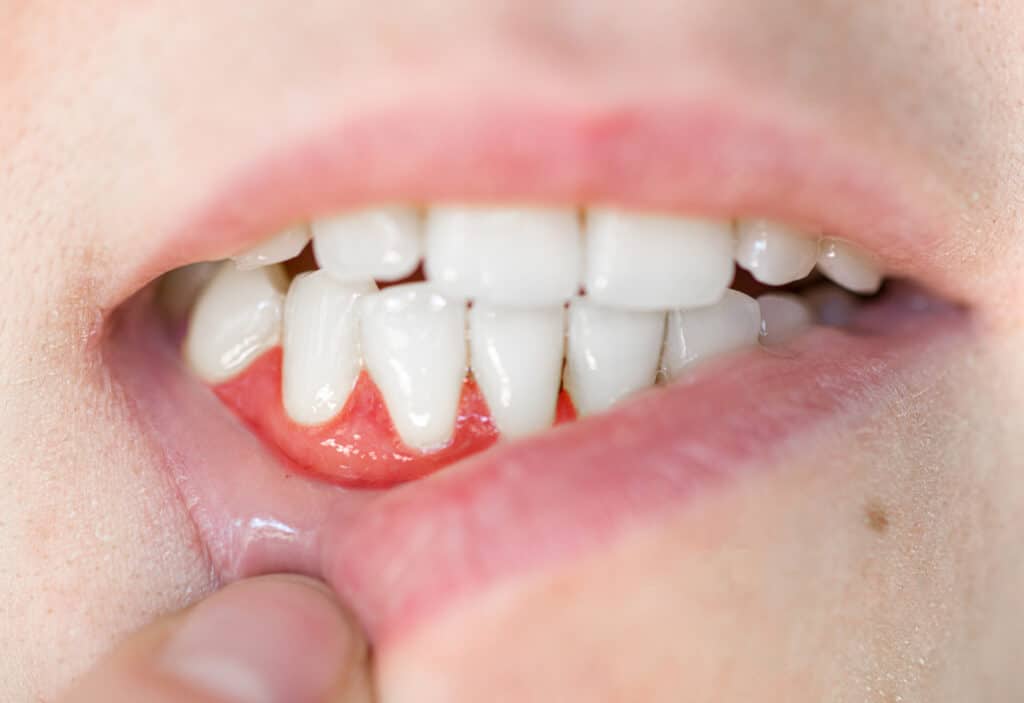
Most cavities don’t hurt right away. In fact, tooth decay often goes undetected for months or even years before it reaches the nerve and causes serious discomfort. By the time a toothache becomes impossible to ignore, damage is usually well underway.
Understanding how cavities progress can help people recognize the importance of early dental care and why waiting can turn a small issue into a major problem.
Stage 1: Plaque Buildup (Where It All Begins)
Tooth decay starts with plaque, a sticky film of bacteria that forms on teeth every day. When you eat sugary or starchy foods, the bacteria in plaque produce acids that wear away tooth enamel.
At this stage:
- You have no pain
- You can’t see any damage
- You can stop this decay by brushing well, flossing, and getting regular cleanings
This is the best and easiest time to intervene.
Stage 2: Enamel Breakdown (Early Decay)
Enamel is the hard, protective outer layer of the tooth. Repeated acid attacks from bacteria and sugar slowly weaken it, leading to demineralization and tiny openings in the surface.
You might notice:
- White spots or faint discoloration
- Mild sensitivity to sweets or temperature changes
- Little to no pain
Once the enamel is damaged, it cannot regenerate. However, this level of tooth decay can be easily treated with a small filling.
Stage 3: Dentin Decay (Sensitivity Starts)
Beneath the enamel lies dentin, a softer, more sensitive layer filled with microscopic tubules that connect directly to the nerve.
When decay reaches dentin:
- You start to notice sensitivity to hot, cold, or sweet foods
- Cavities grow faster because dentin is less resistant than enamel
During this stage, people often start to realize something is wrong. However, decay is already advancing.

Stage 4: Pulp Infection (The Nerve Is Reached)
At the center of the tooth sits the pulp, which contains nerves and blood vessels. Once bateria reaches this point, inflammation and infection set in.
Symptoms commonly include:
- Persistent or throbbing tooth pain
- Sharp pain when biting or chewing
- Swelling, pressure, or abscess formation
- Pain that radiates to the jaw, ear, or head
At this stage, a simple filing is no longer enough. Those who have an infection in the pulp will most likely need root canal therapy, or in severe cases, a tooth extraction.
Stage 5: Abscess and Spreading Infection (A Serious Risk)
If the pulp infection is left untreated, bacteria can spread beyond the affected tooth and into the surrounding bone and tissue, forming an abscess. An abscess is a painful pocket of pus caused by a bacterial infection.
This can lead to:
- Facial swelling
- Fever
- Severe pain
- Risk of infection spreading to other parts of the body
- Tooth extraction
This is why health professionals consider advanced tooth decay not only a dental issue but also a health concern. This stage can be reached in as little as six months (or even faster for children or adults with dry mouth).
Why Cavities Often Go Unnoticed
Cavities are deceptive because:
- Early decay rarely hurts
- Teeth don’t always show visible damage
- Pain often manifests in the later stages
Receiving regular dental exams and X-rays can help you catch tooth decay long before it reaches the nerve.
Cavity Warning Signs
Cavities can be hard to spot, but in addition to pain and sensitivity, you should watch for:
- White or brown spots on teeth
- Rough edges or small pits you can feel with your tongue
- A dull ache when applying pressure to a tooth
- Persistent bad breath or a bad taste, even after brushing
- Gums that are tender, swollen, or bleeding (especially around a specific tooth)
- Mild toothaches that come and go (even if the pain fades, the tooth could still be damaged)
How to Stop the Timeline Early
Fortunately, tooth decay is highly preventable with consistent care. You should:
- Brush twice daily with fluoride toothpaste
- Floss daily to remove plaque between teeth
- Consider using a fluoride mouthwash for extra protection
- Limit sugary snacks and drinks
- Schedule regular dental cleaning and exams
- Address sensitivity or minor discomfort early

Don’t Let Tooth Decay Win
Tooth decay doesn’t reach the nerve right away; it happens quietly over a period of time. What starts as invisible plaque can eventually turn into a deep infection and intense pain. Fortunately, regular dental visits, good daily habits, and early treatment can stop decay long before it reaches the nerve.
Paying attention to small changes, like sensitivity or discoloration, can make a difference between a simple filing and a root canal. When it comes to cavities, acting early can save your smile.


