
Call Us Today!

(801) 618-1197
David G. Johnson D.D.S. - Facebook David G. Johnson D.D.S. - Instagram David G. Johnson D.D.S. - Twitter David G. Johnson D.D.S. - LinkedIn David G. Johnson D.D.S. - Pintrest
Request an Appointment
David G. Johnson DDS, DC Logo Layton, Centerville, UT

David G. Johnson, D.D.S.

  • Root Canal
  • Procedures
    • Root Canal
    • Endodontic Retreatment
    • Apicoectomy
    • Cracked Teeth
    • Traumatic Teeth Injuries
    • Resorption Repair
    • 3D Imaging (CBCT)
  • Patient Resources
    • Patient Forms
    • Informational Informed Consent Oral Sedation Form
    • Insurance and Financial Policy
    • What is Endodontics?
    • General Instructions
  • Our Practice
    • Dr. David Johnson
    • Our Team
    • Testimonials
    • Blog
  • Contact Us
    • Layton Contact Us
    • Centerville Contact Us
  • Referring Doctors
    • Referral Form

Do You Have a Failed Root Canal? 

Home | Endodontist | Page 5

Failed Root Canal - Layton, Centerville, Utah

Root canals are a great way to save your tooth from infection and damage. However, like any other medical procedure, they aren’t always perfect. While the success rate for root canals is incredibly high, there are instances where your tooth may not heal as expected, or complications arise, also known as a failed root canal. 

If you suspect your root canal has failed, it is essential that you take action as soon as possible. But knowing you’re experiencing a failed root canal may be more difficult than you expect. Understanding the signs, causes, and treatment options can help preserve your oral health and your tooth. 

Signs of a Failed Root Canal

The first step to identifying a failed root canal is understanding the symptoms you may experience. The most common symptoms of a failed root canal include: 

  • Persistent Pain: While it is common to feel some discomfort following a root canal, this pain should subside after a few days. If you’re experiencing ongoing pain in the treated tooth, it could indicate that the infection has returned or was not eliminated. 
  • Swelling: Your gums may be swollen immediately following a root canal, but this often goes away within 48 hours. If your gums, face, or jaw near the treated tooth is still swollen after 48 hours, this may signal a problem with the tooth. 
  • Sensitivity: Increased sensitivity to hot and cold foods or beverages and pressure on the treated tooth may be a sign of a lingering issue and will need to be addressed by a trusted endodontist as soon as possible. 
  • Discharge: If you notice pus forming near the treated tooth or a persistent bad taste in your mouth, it may indicate discharge development in your gums and will need to be treated immediately to prevent further health complications. 
  • Darkened Tooth: Following a root canal, you shouldn’t notice a change in the appearance of your tooth. However, if the tooth begins to turn gray or dark, it may indicate an internal problem. 
  • Recurring Abcess: In more extreme cases, you may develop an abscess before your root canal. This should go away after treatment. However, if it returns, you may be experiencing a failed root canal. 
Failed Root Canal - Layton, Centerville, Utah

Common Causes of Root Canal Failure

There are several reasons why you may experience a failed root canal. First, you may have had an incomplete cleaning. This means there was missed infected tissue and bacteria during the procedure, allowing the infection to persist. You may also have complicated anatomy, which makes the procedure more difficult. 

If your root system is complex or unusual, it can make it far more difficult to clean the infected tissue from your tooth. Additionally, new decay can form around the treated tooth, compromising the filling or crown. If it is compromised, this new decay can allow bacteria to reenter the tooth, leading to repeat infection. 

Individuals involved in accidents that result in cracked or fractured teeth are also at an increased risk of root canal failure, as these cracks can expose the inner structure to bacteria. Finally, if your teeth have extra canals that are difficult to detect, they may remain untreated, leading to failure. 

What to Do If Your Root Canal Fails

While a failed root canal can be frustrating, there are reliable ways to treat the tooth and restore the health of your smile. In many cases, your best option is endodontic retreatment. You’ll need to repeat the initial root canal procedure. During retreatment, your endodontist will remove any remaining tissue and reseal the tooth. 

If retreatment isn’t a reliable option for your tooth, your endodontist may recommend an apicoectomy. This procedure removes the tip of the tooth’s root and seals it to prevent further infection. While it sounds complex and painful, this is a great way to save your tooth from further damage.

Failed Root Canal - Layton, Centerville, Utah

Finally, your endodontist may recommend tooth extraction and replacement. It is important to note that your endodontic team won’t recommend this unless absolutely necessary. They will do everything they can to preserve the tooth before taking this step. After extraction, they’ll discuss replacement options like dental implants or bridges to restore oral function. 

No matter what your endodontist recommends, it is best to follow their advice if you want to protect your smile from additional damage. Allowing an infection to go untreated can be incredibly detrimental to your oral and overall health, making prompt treatment essential if you want to avoid complex medical problems. 

How to Prevent Root Canal Failure

In addition to working with an expert endodontic team, there are a few things you can do to avoid failed root canals. Some of the easiest ways to protect your teeth from retreatment include:

  • Visiting your dentist for twice-yearly cleanings and checkups.
  • Maintain good oral hygiene, brushing twice daily and flossing at least once a day.
  • Avoid chewing hard foods or objects that may crack your teeth. 
  • Address any new decay and damage as soon as possible. 
Failed Root Canal - Layton, Centerville, Utah

Trust Our Experts in Northern Utah

If you are dealing with the discomfort of a failed root canal, you don’t have to face it alone. Instead, turn to our team at David G. Johnson, DDS., for support. Our team of experts has been providing reliable endodontic treatment to patients across the Wasatch Front for over 30 years. With our advanced tools and training, we can restore your tooth and relieve lingering pain.

When you’re ready to schedule an appointment to address a failed root canal, don’t hesitate to contact us at our Centerville or Layton office. 

Filed Under: Endodontist

Traumatic Dental Injuries - David G. Johnson, DDS. Layton, Centerville

Accidents happen in life, and unfortunately, our teeth are sometimes the victims of these unexpected events. Whether it’s a sports injury, a fall, or an accident, traumatic dental injuries are more common than many people realize. These injuries can range from minor chips to more serious damage affecting the tooth’s inner structure. Fortunately, endodontists are specially trained to address these issues and help save teeth.

In this blog, we’ll explore some of the most common traumatic dental injuries and how an endodontist can provide expert care to restore your smile and preserve your oral health.

The Most Common Traumatic Dental Injuries

There are a few very common traumatic dental injuries your endodontist may encounter. These injuries include: 

1. Chipped or Broken Teeth

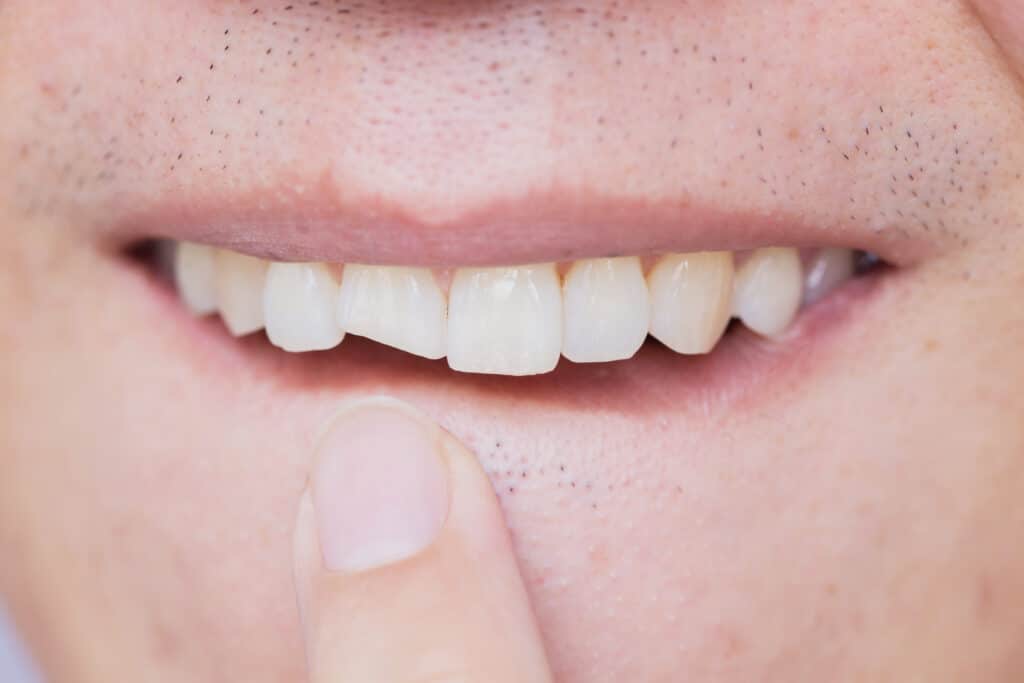
If you are in an accident, experience a fall, eat hard foods, or use your teeth as tools, you may unintentionally chip or break your tooth. While a chipped tooth doesn’t constitute an immediate dental emergency, it is something to keep a close eye on to ensure it doesn’t get worse. 

2. Fractured Roots

If you are dealing with bruxism, chew on hard food, or have a fall, you may fracture the root of your tooth. It can be difficult to save a tooth with a fractured root, and it is best to schedule an appointment with a trusted dental team as soon as possible to begin your treatment journey. 

Traumatic Dental Injuries - David G. Johnson, DDS. Layton, Centerville

3. Dislodged Teeth

Tooth luxation, or dislodged teeth, occurs after traumatic injuries like falls. This injury disrupts your tooth’s tissues, ligaments, and bone. When dislodged, your tooth may be loose, angled, or moved out of the socket. Not all luxated teeth show signs of injury, but they often feel sensitive. 

4. Avulsed Teeth

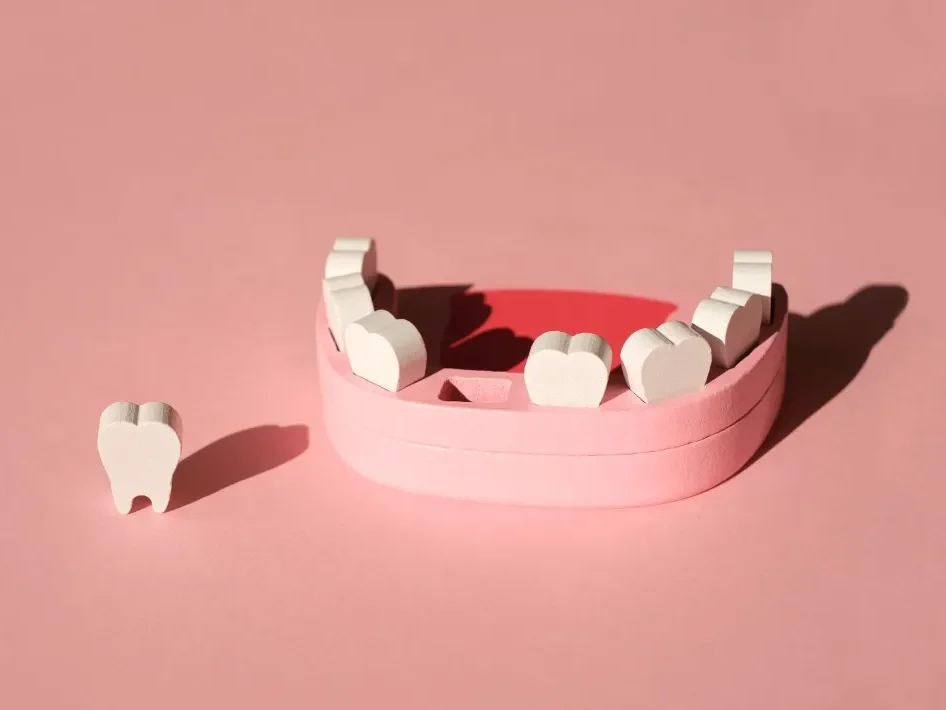
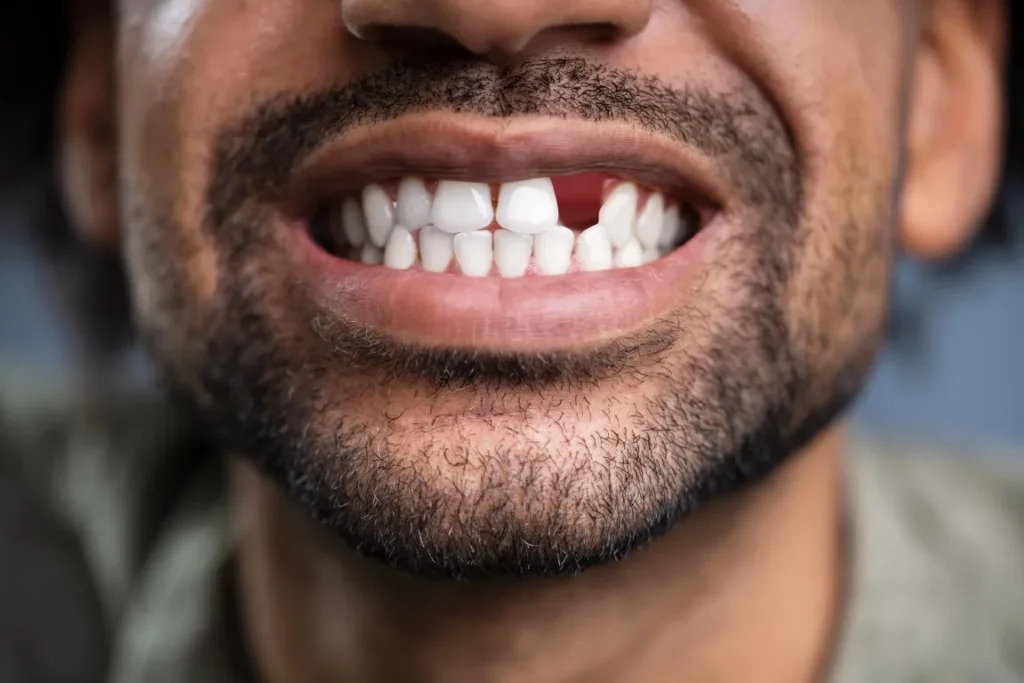
Avulsed teeth are teeth that are knocked out of their sockets. This is the most traumatic injury you can experience. If your tooth is knocked out, it is crucial that you reach out to your endodontist for an emergency appointment to protect yourself from complete tooth loss. 

Signs You Need to See an Endodontist

While you might be experiencing traumatic dental injuries, you might be weary of seeking endodontic treatment. However, there are a few signs that you should reach out to your trusted endodontist for support. Some of the most common signs you need endodontic treatment include: 

  • Temperature Sensitivity: If you are experiencing pain or discomfort when eating and drinking hot or cold foods and drinks, this might be a sign of a problem with your dental pulp, and you must reach out to an endodontist as soon as possible. 
  • Severe Pain: While you may be able to move past minute dental pain, more severe pain makes it difficult to perform everyday responsibilities. If you’re experiencing pain that doesn’t go away, even with the use of over-the-counter pain medication, you should schedule an appointment with your endodontist. 
  • Darkening Tooth: Your tooth shouldn’t dramatically change colors. When you notice your teeth darkening quickly, this is a sign that you’ve caused damage to your dental pulp or that the pulp is dying and the tooth needs to be addressed immediately. 
  • Inflammation: Swelling around your tooth or in your gums is a sign that you may be experiencing an infection from your traumatic dental injuries. You must schedule with your endodontist to protect the tooth, soft tissue, and surrounding structure. 
Traumatic Dental Injuries - David G. Johnson, DDS. Layton, Centerville

How Do Endodontists Treat Traumatic Dental Injuries? 

The treatment your endodontist will choose for your traumatic dental injuries will vary based on the injury. One of the most common endodontic treatments is a root canal. This treatment will remove infected or impacted dental pulp, clean the canals in your tooth, and seal it to prevent any additional tooth damage. 

If your tooth isn’t responding well to your root canal, you may need to seek an apicoectomy. During this treatment, your endodontist will make an incision near the infected tooth to remove any infected tissue and clean the tooth to prevent reinfection. While recovery may be long, this is a great way to address traumatic dental injuries.

Ultimately, it is essential that you schedule an appointment with your endodontist as soon as possible to address any traumatic dental injuries you may encounter. They can help you craft a personalized treatment plan and ensure the long-term well-being of any affected teeth. 

Caring for Traumatic Injuries Before Your Appointment

When you experience traumatic dental injuries, you might not be able to get into the office right away. While waiting for your appointment, it is essential that you treat your tooth with care. Some things you should do while waiting for your appointment include: 

  • Apply a cold compress if the area is inflamed
  • Rinse with warm salt water throughout the day
  • Take over-the-counter pain medications
  • Save portions of your chipped tooth
  • Store avulsed teeth in milk or a container of your saliva
Traumatic Dental Injuries - David G. Johnson, DDS. Layton, Centerville

Helping You Recover from Traumatic Dental Injuries in Northern Utah

If you’re dealing with a traumatic dental injury in the Northern Utah area, turn to our team at David G. Johnson, DDS., for support. With decades of experience helping dental patients recover from unexpected injuries, you can trust that we’ll do the same for you. No matter what injury you’re dealing with, we are committed to providing compassionate, reliable endodontic care.

If you would like to schedule an appointment with our team or have any questions about the services we provide, reach out to us in Layton or Centerville today for support. 

Filed Under: Endodontist

Emergency endodontic treatment - David G. Johnson, DDS, Centerville, Utah

Dental pain can make it difficult to go throughout your day. Whether this pain comes and goes or persists throughout the day, you may need to consider seeking endodontic treatment. This treatment is a great way to protect your teeth from infection and save you from tooth loss. However, in some cases, waiting weeks to go into your endodontist’s office isn’t an option.

Seeking emergency endodontic treatment may be the best way to prevent extreme discomfort and potential infection spread. If you believe you may need emergency endodontic treatment, keep reading to learn what signs to look for and how to treat your discomfort while you wait for your upcoming appointment. 

Signs You Need Emergency Endodontic Treatment

There are a few clear signs you may need to seek emergency endodontic treatment. Some of the most common signs include:

Extreme Pain

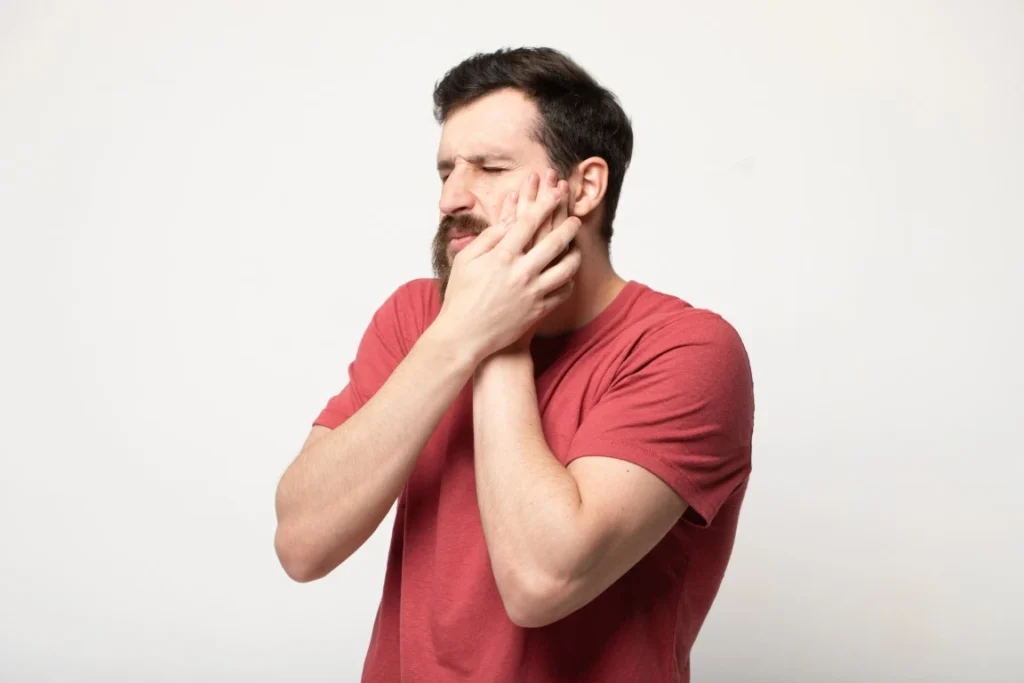
Tooth pain isn’t normal. From day to day, you shouldn’t experience pain when eating, drinking, or speaking. However, as infection in your tooth’s root spreads, you may experience extreme discomfort. If you are experiencing pain that doesn’t go away, even after taking an over-the-counter pain medication, this may be a sign that you need to speak to an endodontist about emergency endodontic treatment. 

Emergency endodontic treatment - David G. Johnson, DDS, Centerville, Utah

Dental Trauma

Dental trauma may occur in a few ways, including physical altercations, sports accidents, trip-and-fall incidents, and using your teeth as tools. While you might not think this trauma will require treatment, failing to schedule appropriate treatment can result in tooth loss. Ultimately, if you experience extreme trauma to the tooth, it is best to reach out to your endodontist about scheduling emergency endodontic treatment. 

Pus Around the Tooth

If you notice signs of pus around your tooth, this can be a major sign of something wrong. The presence of pus indicates an infection in your tooth and the surrounding tissue. When these signs present themselves, it is essential that you schedule emergency endodontic treatment as soon as possible. Failing to address this pus formation and signs of severe infection can lead to tooth loss, spread of illness, and, in more extreme cases, sepsis. 

Temperature Sensitivity

While you may experience some sensitivity when eating or drinking something hot or cold, this sensitivity should go away quickly. However, if you are experiencing temperature sensitivity in one tooth that doesn’t go away or causes extreme discomfort, this indicates a major problem. If this is occurring, it is best to reach out to an endodontist about scheduling emergency endodontic treatment to begin remedying this problem. 

Discoloration

While your teeth won’t be identical in color across your mouth, they should look similar to one another. However, if your tooth is changing color, especially if this color change is occurring quickly, this can indicate nerve damage. If this happens, it is best to reach out to an endodontist about scheduling emergency endodontic treatment. They may need to plan a root canal to help you protect the tooth from additional damage and color change. 

Emergency endodontic treatment - David G. Johnson, DDS, Centerville, Utah

How to Treat Pain Until Your Treatment

If you are waiting for your emergency endodontic treatment, you may struggle to address the discomfort you’re experiencing. However, while this pain can be disruptive, there are a few things you can do to address it and allow yourself to continue with everyday activities. If you are waiting for your emergency endodontic treatment, consider trying each of the following to treat your pain: 

  • Take over-the-counter or prescription pain medications.
  • Apply a cold compress to your cheek to calm inflammation. 
  • Avoid consuming extremely hot or cold foods or beverages. 
  • Keep your head elevated to decrease pressure.
  • Rinse with salt water a few times throughout the day. 

If you are struggling to reduce your discomfort, even with these pain relief methods, it is best to reach out to your endodontic team for support. They may consider bringing you in for treatment earlier to help you protect your oral health. 

Do You Need a Root Canal or Tooth Extraction? 

While emergency endodontic care may be your best option, this treatment may take several different directions. In some cases, your endodontic team may recommend a root canal. Root canals are the most common endodontic treatment and are often sufficient enough to address any infection within your tooth. 

However, depending on the severity of the infection or trauma, it may be in your best interest to get a tooth extraction instead. While this can be incredibly distressing, it is important to remember that your endodontic team won’t recommend this treatment unless it is absolutely necessary or best for your oral health.

Ultimately, your endodontic team is dedicated to helping you protect your smile. They won’t extract a tooth if it isn’t the best course of action for your health. When they make this recommendation, you can trust that this is the best next step toward achieving improved oral health and smile integrity. 

Emergency endodontic treatment - David G. Johnson, DDS, Centerville, Utah

Reliable Emergency Endodontic Treatment in Northern Utah

If you are looking for a reliable endodontic team in the Northern Utah area to help you through your emergency endodontic treatment, turn to our team at David G. Johnson, DDS. For over 30 years, we’ve provided the most dependable endodontic therapy to patients across the Wasatch Front. From root canals to root resorption, trauma treatment, and more, our team is equipped to handle it all.

When you are ready to schedule your emergency endodontic treatment, contact our team at our Layton or Centerville office for support.

Filed Under: Endodontist

  • « Previous Page
  • 1
  • …
  • 3
  • 4
  • 5
  • 6
  • 7
  • …
  • 16
  • Next Page »

Layton Hours

195 E Gentile St #2
Layton, UT 84041
Phone: (801) 618-1197
Monday 8:00 AM - 5:00 PM
Tuesday 8:00 AM - 5:00 PM
Wednesday 8:00 AM - 5:00 PM
Thursday 8:00 AM - 5:00 PM
Friday Closed
Saturday Closed
Sunday Closed

Medical Disclaimer: Information on this site is not medical advice and is for educational purposes only. No doctor-patient relationship is formed. Click here for Full Legal Disclosures

Directions

Centerville Hours

281 S Main St #6
Centerville, UT 84014
Phone: (801) 285-6603
Monday 8:00 AM - 5:00 PM
Tuesday 8:00 AM - 5:00 PM
Wednesday 8:00 AM - 5:00 PM
Thursday 8:00 AM - 5:00 PM
Friday Closed
Saturday Closed
Sunday Closed

Directions

2026David G. Johnson, D.D.S. | All Rights Reserved | Privacy Policy | Terms | Accessibility Statement | Anti Discrimination Disclaimer | Healthcare Disclaimer | HIPAA Notice of Privacy Practices | XML Sitemap | Sitemap | Site by PDM